
Dental Care in 2026: How to Start the Year Without Anxiety and With a Clear Plan
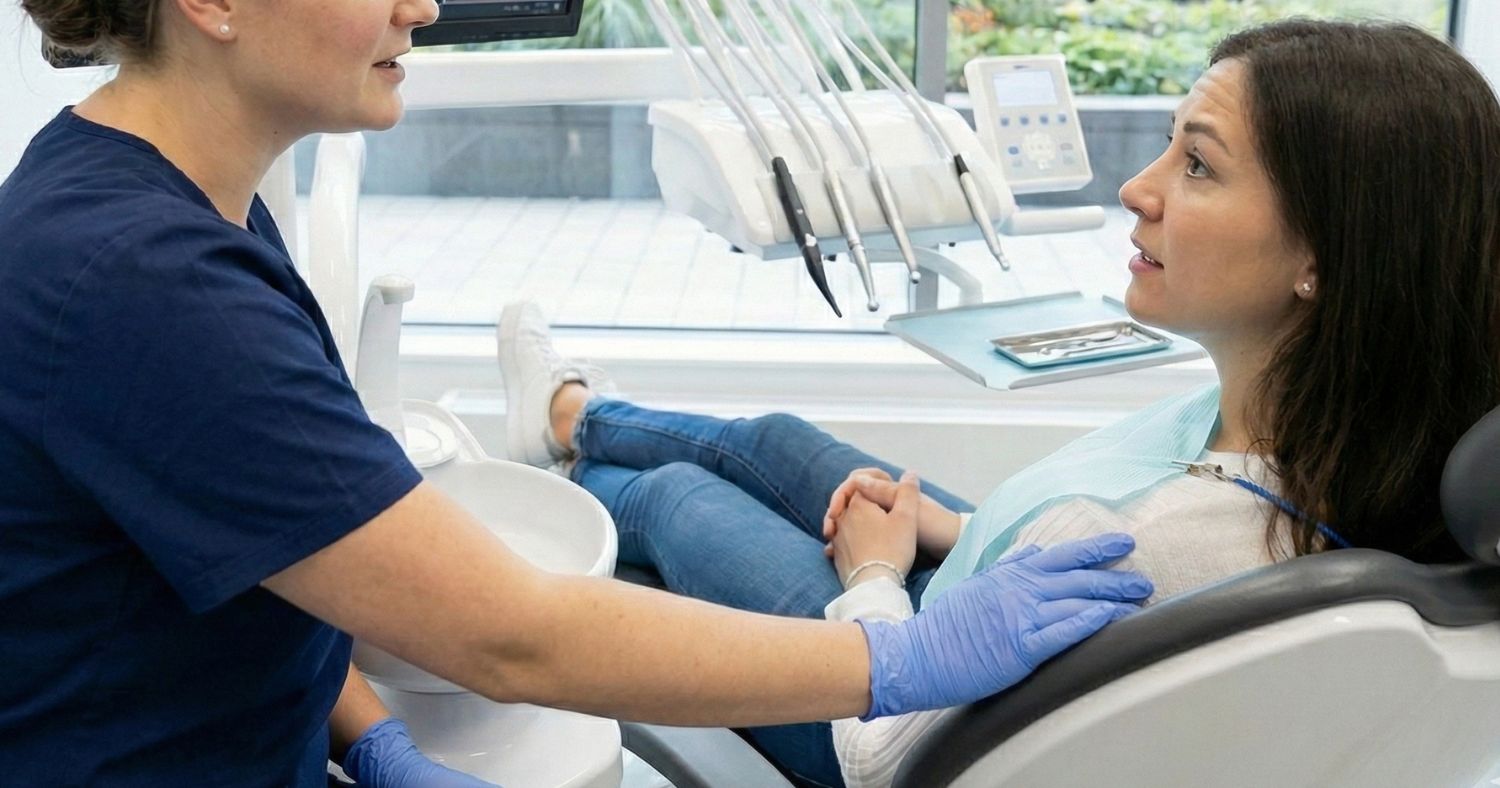
The start of a new year is often when people finally think about their health — and dental care is usually part of that reflection. At the same time, it is also one of the most postponed areas of healthcare.
Dental anxiety, uncertainty about treatments, and not knowing where to begin are the main reasons patients delay care. In 2026, modern dentistry is no longer about rushing or guessing. It is about clarity, comfort, and having a plan that truly makes sense for you.
Why Dental Anxiety Is Still One of the Biggest Barriers
Dental anxiety is more common than most people realize. Past experiences, fear of pain, or simply not knowing what will happen during an appointment can make even routine visits feel overwhelming.
When dental care is postponed, small and manageable issues often become more complex over time. What begins as mild sensitivity or discomfort can later require more involved treatment.
One of the most effective ways to reduce dental anxiety is communication. When patients understand what is happening, what their options are, and what to expect next, fear naturally decreases.
![Dental Care in 2026: How to Start the Year Without Anxiety and With a Clear Plan]() What Modern Dental Care Looks Like in 2026
What Modern Dental Care Looks Like in 2026
 What Modern Dental Care Looks Like in 2026
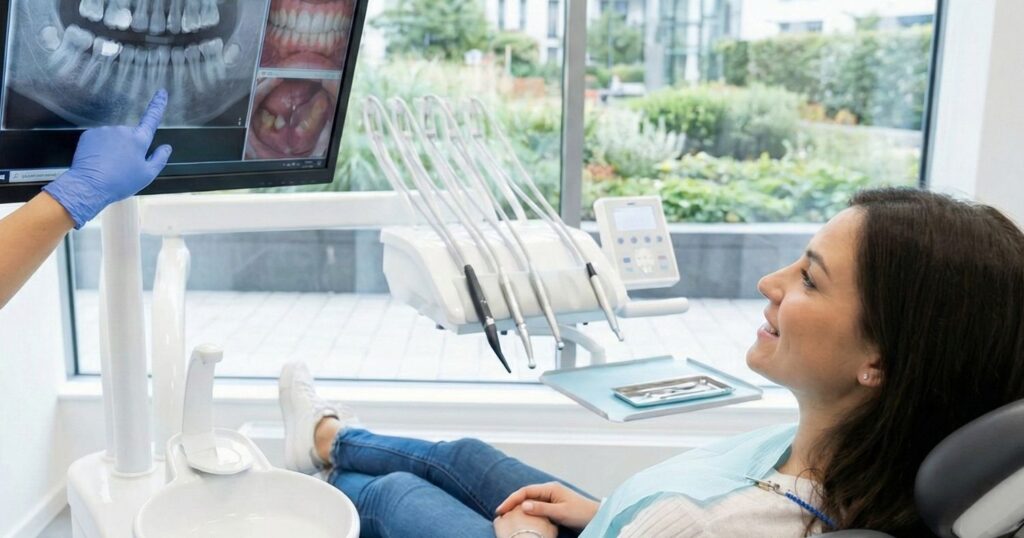
Dentistry has evolved significantly. In 2026, the focus is not only on treating problems, but on preventing them and creating a calm, patient-centered experience.
Modern dental care is built on:
- Clear explanations in plain language
- Personalized treatment plans
- Technology that improves accuracy and comfort
- Respect for each patient’s pace and concerns
The Best Way to Start the Year With Your Dental Health
Many patients ask where they should begin. The answer is often simpler than expected.
A comprehensive dental exam and professional cleaning are usually the best first step. These appointments help identify early signs of concern, evaluate overall oral health, and establish a clear plan for the year ahead.
From there, recommendations may include preventive care, restorative treatments, or cosmetic options — always based on actual needs, not pressure.
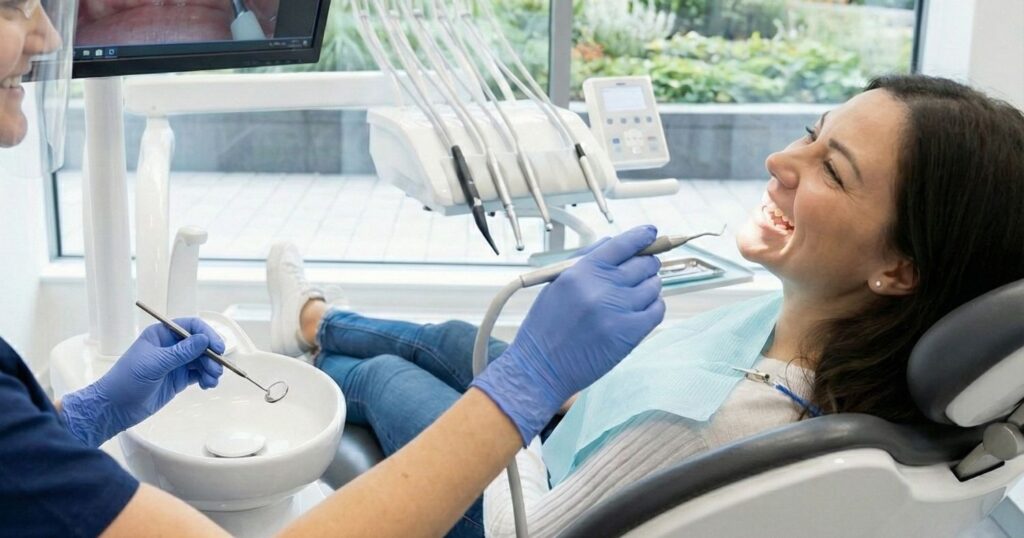
Common Dental Services Patients Ask About at the Beginning of the Year
Professional Cleanings and Preventive Care
Preventive care is the foundation of long-term oral health. Regular cleanings help protect teeth and gums, reduce inflammation, and lower the risk of future dental issues.
Root Canal Therapy
Root canal treatment is often misunderstood. In reality, it is designed to relieve pain, not cause it. When performed early, it can save a natural tooth and restore comfort.
Dental Crowns
Crowns are used to protect and strengthen teeth that have been weakened by damage or previous treatment. They help restore function while preventing further deterioration.
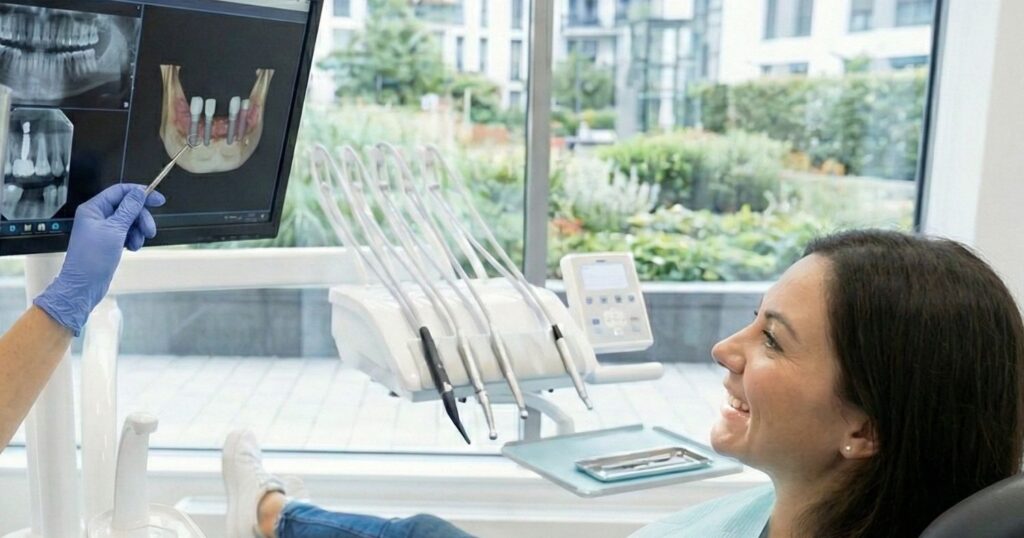
Dental Implants
Dental implants are a long-term solution for missing teeth. They support everyday functions such as chewing and speaking, while also restoring confidence.
Teeth Whitening
Professional teeth whitening is a popular option for patients looking to refresh their smile in a natural way.
Braces and Orthodontic Options
Orthodontic treatment is not limited to teenagers. Many adults choose braces to improve alignment, bite, and long-term oral health.
Mouth Guards and Gum Treatments
Custom mouth guards can help protect teeth from grinding and clenching, while gum treatments address inflammation and bleeding before they progress.
Frequently Asked Questions About Dental Care in 2026
– Does dental treatment hurt today?
Modern dental care focuses on comfort. Local anesthesia, updated techniques, and clear communication help make treatments far more comfortable than many people expect.
– What if I feel anxious about going to the dentist?
Dental anxiety is very common. Letting the dental team know how you feel allows them to explain each step, move at your pace, and help you feel more at ease.
– How often should I visit the dentist?
Most patients benefit from visiting the dentist every six months, but the exact frequency depends on individual oral health needs.
– Is it better to fix dental problems early?
Yes. Treating issues early is usually simpler, more comfortable, and more cost-effective than waiting.
– Can adults still get braces or orthodontic treatment?
Absolutely. Many adults choose orthodontic treatment to improve alignment, bite, and long-term oral health.
– Are dental implants a permanent solution?
Dental implants are designed to be a long-term solution when properly planned and cared for.
– What is the best first step if I have been postponing care?
Scheduling a comprehensive exam and cleaning is usually the best place to start. It provides clarity and a plan without pressure.
– Why Having a Clear Dental Plan Matters
Uncertainty is one of the main drivers of dental anxiety. When patients understand their current condition, treatment options, and timing, decisions feel far less stressful.
A clear dental plan allows patients to prioritize care, make informed choices, and move forward at a pace that feels right.
Ready to Take the First Step?
If you have been postponing your dental visit, this may be the right time to begin.
Learn more about our services or schedule your appointment.